
La Storia della Millenaria



The history
of the Millenary Fair
Leggenda, Sant’Orso, tradizione, comunità.
Legendary origins
Before the 9th century
Tradition traces the roots of the Fair back to Saint Ours: a cleric of humble origins who, according to some sources, lived between the 5th and 6th centuries. He was known for his generosity in giving the poor clothing and “sabots”, the traditional wooden clogs, to protect them from the winter cold.
1206
The first records
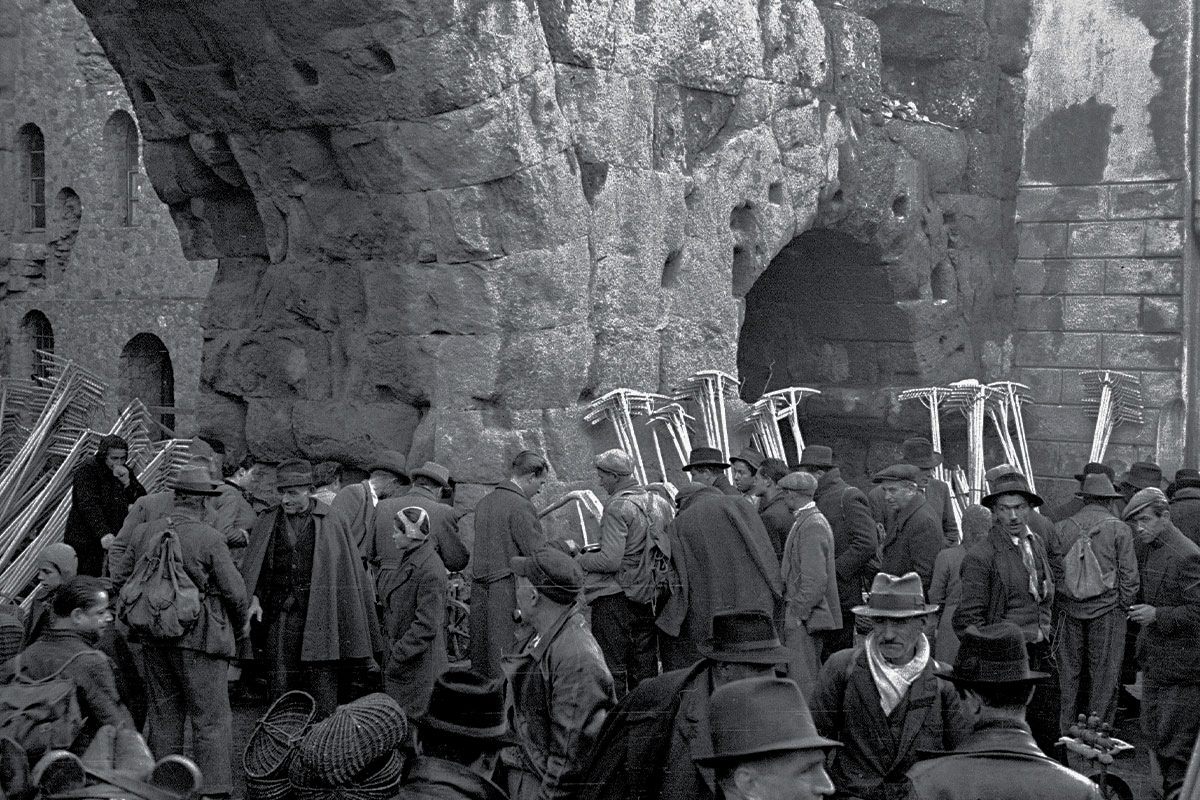
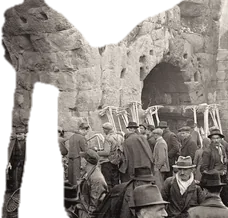
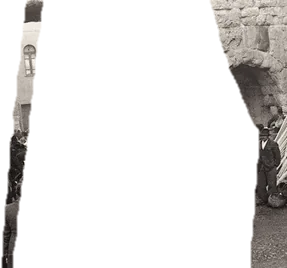
The first records of the millenary Fair date back to 1206, linked to the custom of gathering at the end of winter to trade goods and farming tools, with the traditional meeting point at the Porta Praetoria.
anno 1243
The first regulations
Tradition dates to 1243 a document regulating the Fair, setting its date on 31 January and defining its area, from the Porta Praetoria towards the Collegiate Church of Saint Ours.
today
The millenary Fair
Today the Saint Ours Fair takes place every year on 30 and 31 January in the historic centre of Aosta, involving the whole city. It is the most important event dedicated to Aosta Valley craftsmanship, bringing together more than a thousand exhibitors.
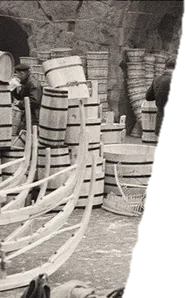
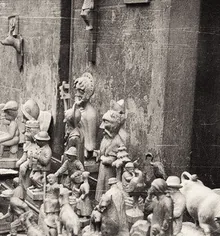
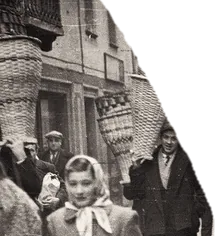
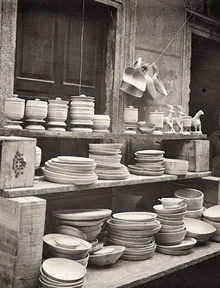
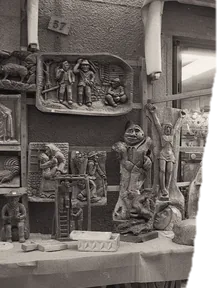
Wood remains one of the Fair’s most representative materials, with sculptures, turned objects, carving and weaving. Alongside wood you will find soapstone, iron, copper, ceramics, glass, textiles, lace and other materials, reflecting the variety and vitality of Aosta Valley craftsmanship.
today
Donnas Fair – a thousand-year-old tradition
Donnas, too, keeps alive a fair tradition with thousand-year-old roots. The Petite Foire, held in the village’s historic quarter, renews every year the ancient bond between community, territory and Aosta Valley craftsmanship, bringing the artisans’ work and skills into its streets. Together with the Saint Ours Fair in Aosta, it bears witness to the long and living tradition of craft fairs in the Aosta Valley.